
By Deeyoung MaLinkedInWebsiteOctober 29, 202610 min readRestaurant OperationsReviewed October 29, 2026
Restaurant Employee Training: A Checklist for the First Two Weeks
Prepare the first shift, schedule a trainer, teach front- and back-of-house tasks, and record what needs another supervised practice.
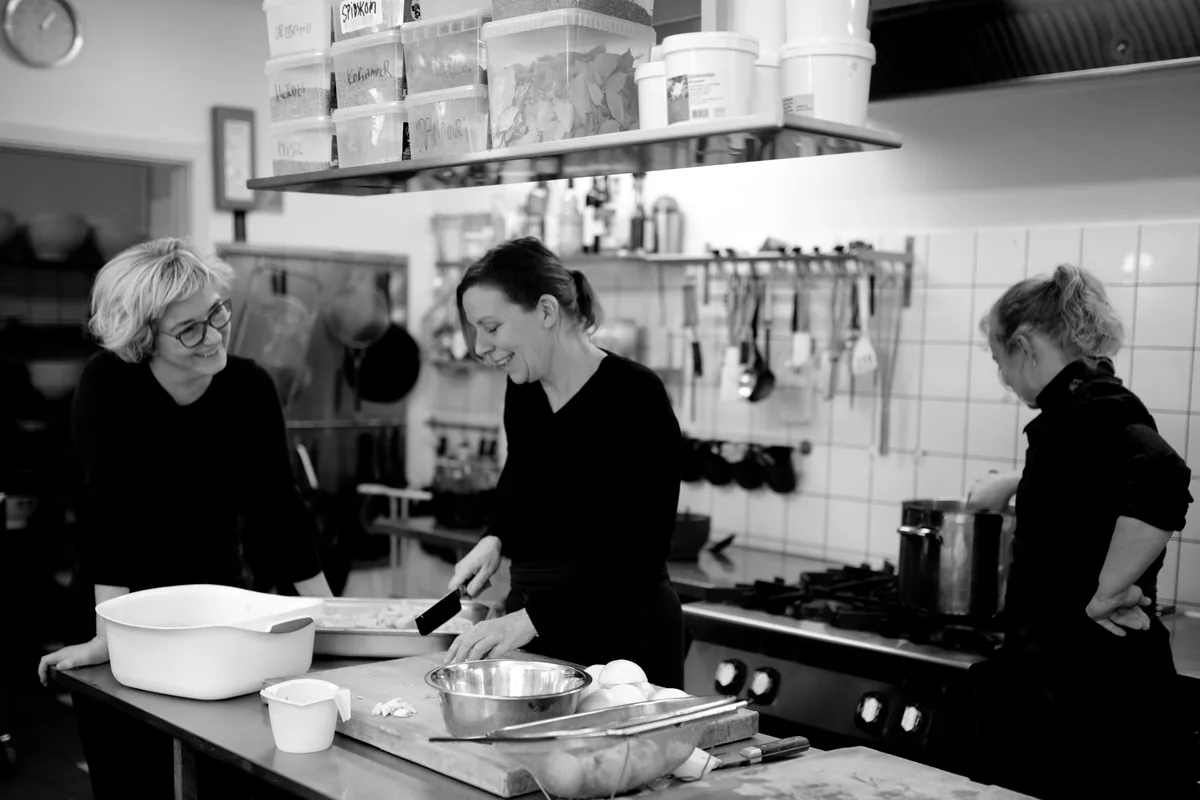
Suppose a new server arrives at 4 p.m. and the dinner rush starts at 5. If the only person who knows the ordering system is already running a section, the new hire may spend the evening watching without getting a chance to practise. Decide who will teach, what they can reasonably cover together, and which tasks still need another lesson.
Use the checklist below for a small Canadian restaurant or café. Adjust it to the job, equipment, workplace and local rules. A checklist helps organize the work; it does not replace required safety instruction, food-safety certification, legal advice or the manager’s judgment.
Before the first shift, prepare the work and the person teaching it
Confirm the start time, entrance, supervisor, appropriate clothing and who to contact if the employee cannot attend. Explain what the first shift will cover and ask about the language and format that will help them follow the instruction. Give the trainer the same plan and leave them enough capacity to teach.
- Name the trainer and arrange a period when their shift overlaps the new employee’s.
- Identify the tasks the trainee will observe, practise with support and leave to an experienced person for now.
- Prepare current menus, station instructions, cleaning directions and the process for asking for help.
- Check local requirements for safety instruction, food handling, alcohol service and any equipment used in the role.
- Keep a training record in the restaurant’s approved, access-controlled location.
If a busy shift leaves no one available to supervise, change the assignment or make time on another shift. Do not count a trainee and their trainer as two people who can independently cover two simultaneous stations.
Start with a short walk through the workplace
Show the employee the route from the entrance to their station, handwashing sinks, storage, exits, first-aid supplies and the person to contact in an emergency. Explain how to report an injury or unsafe condition. Demonstrate the equipment and cleaning products they will actually use; do not ask someone to operate an unfamiliar machine alone because another cook is busy.
The Canadian Centre for Occupational Health and Safety’s orientation guidance covers workplace hazards, supervision and policies. WorkSafeBC’s guidance gives British Columbia employers examples for training and orientation records. Check your own jurisdiction for the requirements that apply.
Teach one task, then watch it done
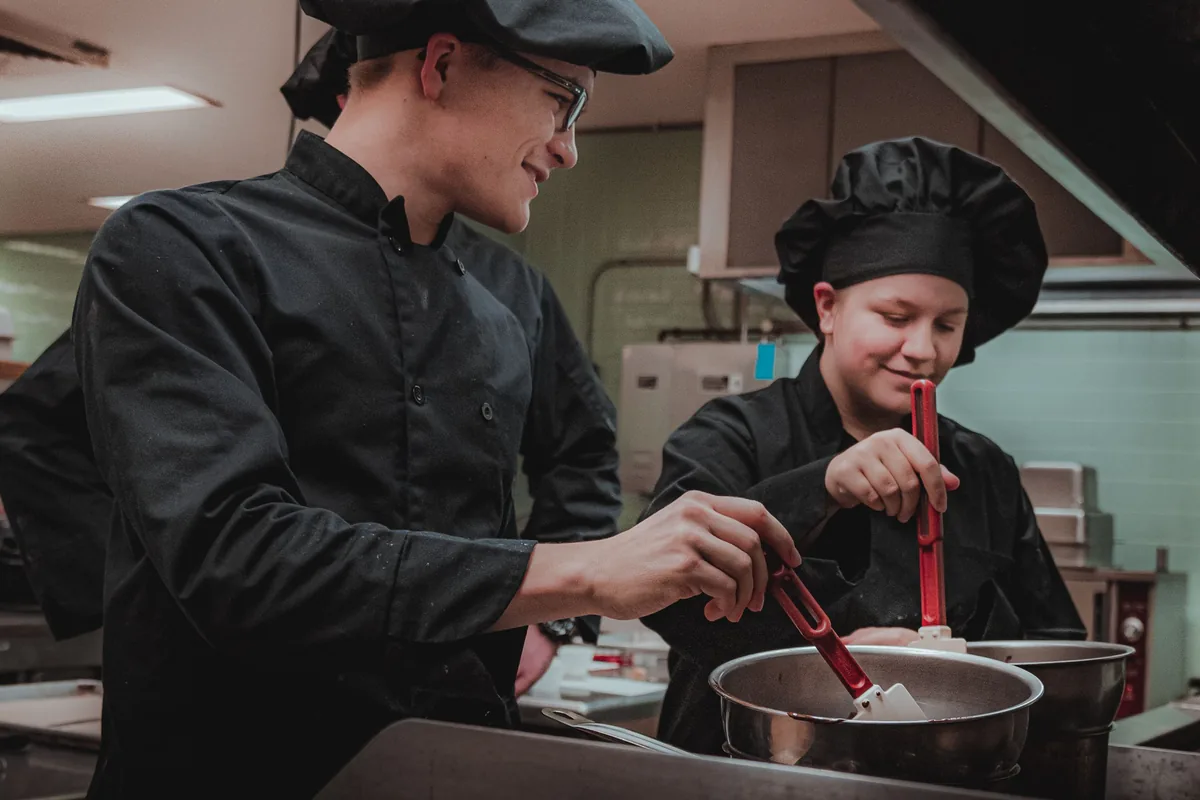
Choose one task that belongs to the employee’s role. Show it at the real station, explain what to check and where the instruction is kept, then let the employee try while the trainer watches. Ask them to explain their next step in their own words. If a step is missed, correct it and practise again; a nod at the end of a demonstration is not the same as seeing the task done.
For example, a new counter employee can practise entering a sample order with the trainer before handling a live order. The trainer checks the item, modification and handoff to the kitchen. Use a test procedure supported by your own ordering system; do not send a fictional order into live service by accident.
Give front and back of house different practice
A front-of-house employee may need to greet a table, confirm an order, enter a change, carry food to the right guest and ask for help with a payment or complaint. Explain who can correct an order or approve a refund; do not give a new employee authority they have not been assigned.
In the kitchen, practise the setup and close of the assigned station, safe use and cleaning of relevant equipment, separation of ingredients, the handoff to the pass and what to do when an item runs out. The trainer should stay available for the work being learned. If the employee will also wash dishes or close, teach those tasks rather than assuming they came with the job title.
Make the safety handoffs explicit
A guest asks whether a dish is safe for an allergy. Teach the employee to pause, communicate the concern to the designated person and follow the restaurant’s verified procedure. A trainee should not guess from a dish name, remove one visible ingredient and promise the meal is safe. The person responsible for the response needs current ingredient and cross-contact information.
Show food handlers how to report symptoms and whom to contact before handling food. As one local example, Toronto Public Health’s food-handler guidance addresses illness and hand hygiene. Follow the applicable local authority and your workplace procedures rather than treating Toronto’s guidance as a rule for every Canadian restaurant.
Food-handler certificates and required onsite coverage vary by jurisdiction and premise. A completed first shift does not establish either. Use the food-handler coverage guide to identify what to check before relying on someone for a regulated role.
Record what happened, not just that training was assigned
After practice, the trainer and manager can record the date, task, trainer, what the employee practised, what still needs support and the next review date. For a task not yet ready for independent work, write the next step plainly: “Practise the close with the shift lead on Thursday,” rather than simply marking the whole employee as trained.
A short working record might say: Order entry: practised with trainer; can enter a sample order; corrections and refunds still need a manager; review next shift. This is an illustrative note, not proof of certification or a universal standard. Store the record according to your privacy and retention practices, not on a public schedule.
Put training time in the schedule and review the actual hours
Budget for both people when arranging supervised time. In a fictional example, a trainee and trainer overlap from 3:30 to 5:00 p.m.; that creates 1.5 scheduled hours for each person, or 3 hours for the pair. If the trainer is also expected to prepare a station, check that the plan leaves time for both tasks.
For Québec, the CNESST’s training guidance says employer-required training and trial periods count as work time and must be paid, including when the formal start date is later or the training occurs elsewhere. That is a Québec example, not a national rule. Check the applicable employment standards, exceptions, agreements and facts where the employee works.
A manager can use Maxuod Shift to put the trainer and trainee on overlapping shifts, review scheduled hours and export records for a payroll handoff. Separately record the training performed and confirm actual hours. The schedule does not verify competence or certificates, track training completion automatically, decide pay or run payroll.
Review the first two weeks and leave a clear next assignment
At the end of a shift, ask what was practised, what was difficult and where the employee needed help. Update the record with the trainer. Before the next shift, assign another supervised opportunity for unfinished work and make sure the next lead knows which tasks remain with an experienced colleague.
After one or two weeks, review the record with the employee and the people who trained them. Some tasks may be ready for independent work while others still need practice. If a procedure changes later, the guide to rolling out a restaurant procedure across shifts can help the manager tell each team what changed and check that the new method reaches them.
Before publishing the next roster, check the actual coverage: who is teaching, when they overlap and which responsibilities still need an experienced person. Review the official sources and local rules again when they change.
Official sources checked
Reviewed October 29, 2026
- Canadian Centre for Occupational Health and Safety: orientation for workersCanada: general occupational-safety guidance
- WorkSafeBC: training and orienting workersBritish Columbia: workplace safety orientation
- CNESST: training workers (French)Québec: training and pay
- Toronto Public Health: food handler hygieneToronto: local food-handler guidance
Written as an operator checklist, not legal or payroll advice. Confirm local rules before changing pay, holiday, or tip policies.
Related guides
Restaurant Shift Handoff Checklist: Pass the Exceptions
A restaurant shift handoff checklist for exceptions, owners, deadlines, actual-hour changes, and close-to-open decisions without a chat dump.
Your restaurant changed a procedure. The old copy is still in use.
Roll out a changed restaurant procedure across shifts: replace old instructions, brief returning staff, check the changed step, and record exceptions.
Your Certified Food Handler Calls Out. Can the Restaurant Still Open?
Compare food-handler certificate coverage across all 13 Canadian jurisdictions and decide what to verify before replacing a trained worker or opening a shift.
Plan your next week’s shifts
With a free account, save schedules, check availability and overtime estimates, and work out tip distributions for your team.