
By Deeyoung MaLinkedInWebsiteJuly 27, 202610 min readRestaurant OperationsReviewed July 28, 2026
Restaurant Employee Leaves Mid-Shift: Stabilize the Service First
Protect safety, reset role coverage, record actual hours, and follow up without treating one mid-shift departure as automatic resignation or misconduct.
Key takeaways
- Separate the service-recovery decision from the employment-status decision.
- Check immediate safety, food handling, keys, cash, and trained closing coverage before filling the empty row.
- Preserve the planned shift, actual departure time, contact attempts, replacement, and revised responsibilities.
- Do not label the event resignation, abandonment, misconduct, or an unprotected absence before the facts and local rules are reviewed.
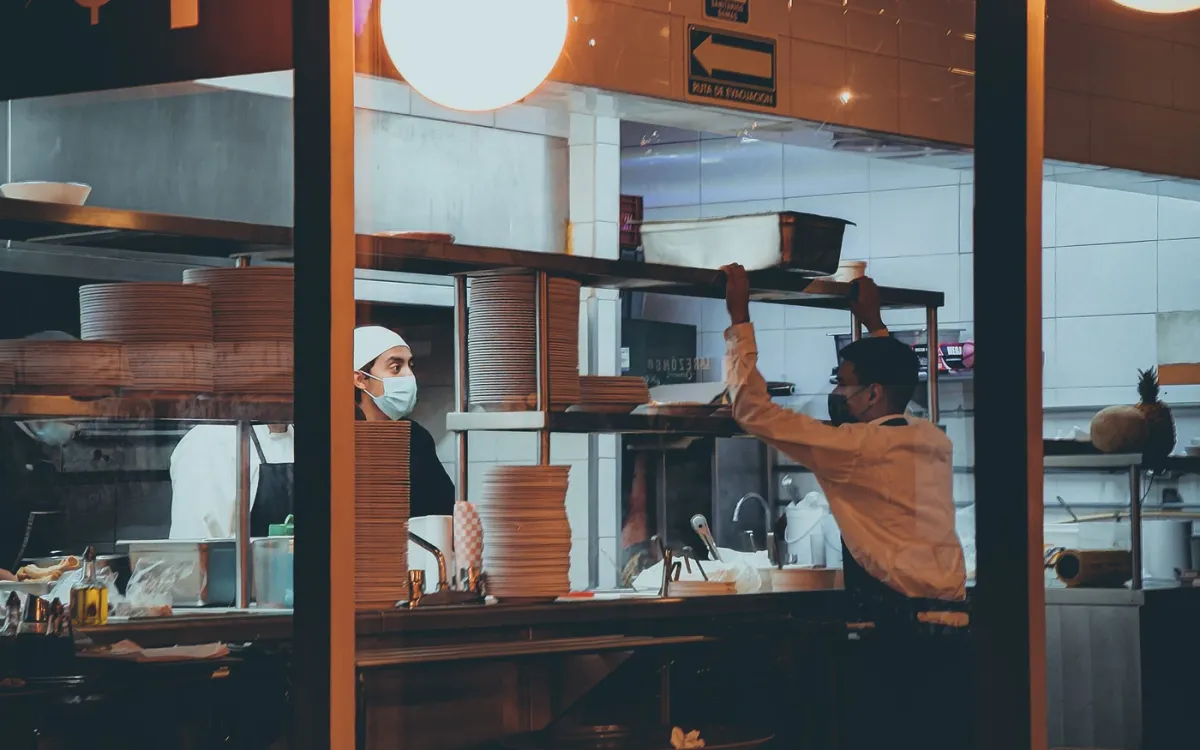
At 8:18 p.m., the only employee trained to close the kitchen leaves. The line still has tickets, the dish station is behind, and two people are asking whether they now have to stay. The manager has two jobs, but they should not be collapsed into one.
The first job is to make the next ten minutes safe and operable. The second is to establish why the employee left and which employment, health, safety, privacy, or attendance process applies. A restaurant can rebuild coverage immediately without deciding that the employee resigned.
The first ten minutes have one purpose: contain the operating risk
Confirm whether anyone is injured, ill, threatened, unable to work safely, or responsible for a hazard that cannot be left unattended. Check hot equipment, open food, alcohol service, cash, keys, alarms, deliveries, and any lone-work condition created by the departure. Call emergency services when the facts require it.
Then name one manager for service and one person for the affected station. Do not ask the entire team to improvise. If no qualified closer remains, reduce the menu, stop a service channel, shorten the service, or close the affected operation. A warm body is not a substitute for training or authority.
Reset responsibilities before asking who can stay late
| Check | Manager question | Possible response |
|---|---|---|
| Safety | Did the departure create an unsafe task, lone closer, or uncontrolled appliance? | Stop the task, isolate the area, or assign a qualified person. |
| Food | Who owns temperature, allergen, sanitation, and discard decisions? | Keep the trained owner visible; narrow the menu if needed. |
| Service | Which promise can no longer be kept? | Pause a station, delivery channel, seating area, or late seating. |
| Close | Who can complete cash, keys, security, equipment, and handoff? | Name the closer or change the operating state. |
Ask for specific extensions only after the remaining work is visible. “Can everyone stay?” hides the actual gap and can create a second problem. Ask whether a trained person can cover a defined responsibility until a stated time, then record the answer and the revised plan.
Make one factual contact attempt
Use the approved contact channel. A useful message is short: “You left the restaurant at about 8:18 p.m. We are checking that you are safe. Please tell the manager when you can speak and whether you need emergency help.” Do not argue about resignation, discipline, medical details, or pay in the first message.
If the employee mentioned illness, injury, danger, harassment, family emergency, or another sensitive reason, move the detail out of the team chat. The service team needs the coverage instruction, not a medical or conduct narrative. Follow the organization’s emergency, incident, leave, safety, or HR process.
Record what happened, not what the manager assumes
Preserve the published shift and record the actual departure time when it is known. Add the role left uncovered, observable words or actions, who witnessed them, contact attempts, the replacement, changed operating state, actual hours, and the next owner. Separate first-hand observations from later reports.
Avoid labels such as “quit,” “walked off,” “abandoned the job,” “refused work,” or “faked sick” unless the responsible reviewer has established that conclusion. Nova Scotia, for example, publishes a specific process for refusing unsafe work. A manager should not turn an unresolved safety concern into an attendance label during dinner service.
A dinner close shows why the two-track response matters
The departing employee was scheduled until 11:00 p.m. and was the only trained kitchen closer. The manager records 8:18 p.m. as the apparent departure time, closes the fryer station, stops late delivery orders, moves one trained lead to temperature and close duties, and asks a prep cook to remain until 9:30 p.m. for a defined cleanup handoff.
At 8:31 p.m., the employee replies that they left after feeling unsafe during an argument. The manager does not decide the allegation in the group chat. The safety and conduct review moves to the protected process. The operations record still shows the reduced menu, replacement, actual hours, and closing owner.
If the employee had instead confirmed an ordinary personal emergency, the service record would stay almost the same while the next HR or leave step changed. That is why the schedule and incident note should preserve facts rather than a verdict.
End the service with three separate handoffs
- Operations: what changed in the menu, stations, close, and next opening.
- Hours: planned shift, actual time worked, approved extensions, and the payroll-review owner.
- Protected review: contact response, safety or health concern, witness notes, and the person responsible for follow-up.
Do not copy protected detail into a general shift note. The incoming manager needs to know whether the restaurant can open and who owns the next decision. They do not need rumours or medical information.
Maxuod Shift preserves the changed week, not the legal conclusion
In Maxuod Shift, keep the original shift, add the approved replacement, update the coverage plan, and record actual hours for the payroll handoff. The schedule can show that a closer changed and that another employee worked longer than planned.
The product cannot determine resignation, job abandonment, discipline, protected leave, medical fitness, a valid work refusal, or legal entitlement. Use the Restaurant Manager Incident Handbook to route the first ten minutes, the conflict playbook for a conduct or safety concern, and the shift handoff checklist for the next manager.
FAQ
Is leaving mid-shift automatically job abandonment?
No universal rule makes one departure automatic job abandonment. Record the facts, contact the employee, preserve actual hours, and have the responsible HR or legal reviewer apply the policy and rules for the province and circumstances.
Should the manager terminate the employee during the service?
Do not make an automatic termination decision from an incomplete service-floor account. Stabilize safety and coverage, then review the employee’s explanation, policy, protected-leave or safety issues, and applicable law through the correct process.
What should the shift note contain?
Record the scheduled shift, actual departure time if known, uncovered role, observable facts, contact attempts, replacement, operating changes, actual hours, and next owner. Keep medical, harassment, and other protected details in the restricted process.
Official sources checked
Reviewed July 28, 2026
Written as an operator checklist, not legal or payroll advice. Confirm local rules before changing pay, holiday, or tip policies.
Related guides
Restaurant Employee Conflict During a Shift: Stabilize Service First
A restaurant manager playbook for separating staff, protecting service, documenting facts, and escalating harassment, threats, or safety concerns appropriately.
Restaurant Employee Forgot to Clock Out: Correct the Record Without Guessing
Correct a missed restaurant clock-out with an audit trail: verify actual time worked, preserve the original entry, approve the change, and hand off payroll.
Restaurant Shift Handoff Checklist: Pass the Exceptions
A restaurant shift handoff checklist for exceptions, owners, deadlines, actual-hour changes, and close-to-open decisions without a chat dump.
Build the schedule before the week gets loud
Maxuod Shift keeps employee availability, overtime risk, payroll estimates, and tip distribution in the same place for small restaurant teams.