
By Deeyoung MaLinkedInWebsiteOctober 28, 202610 min readScheduling OperationsReviewed November 1, 2026
Christmas Restaurant Staffing: Plan Time Off, Cover Shortages and Adjust Service
Plan Christmas restaurant shifts around confirmed leave, trained roles and backup coverage. Adjust service when shortages remain, then reconcile hours for payroll.

Christmas dinner bookings and holiday leave requests can arrive at the same time. Before accepting more tables, check who can cover the work those bookings create, from preparation to the last dishes. An available server may help the dining room while leaving a kitchen or closing gap unresolved.
Build the plan around each service: confirm the work, the people who can do it and the point when you must change the offer if coverage is still missing. This guide is for independent Canadian restaurants and cafés. Employment rights, pay and food-safety decisions still need the rules and circumstances that apply where your employees work.
Give each holiday service its own plan
One December roster may not capture what each service needs. Christmas Eve pickups, Christmas dinner and New Year’s Day brunch can need different roles, hours and people. Write down what you intend to offer on each date before filling the week with names.
| Date | Day | Decision before scheduling |
|---|---|---|
| December 24, 2026: Christmas Eve | Thursday | Set the last seating or pickup and allow time to close. |
| December 25: Christmas Day | Friday | Confirm whether you will open and which bookings or orders you have accepted. |
| December 26: Boxing Day | Saturday | Check your own bookings, opening hours and employee availability. |
| December 31: New Year’s Eve | Thursday | Include work after midnight, cleanup and the time employees can leave. |
| January 1, 2027: New Year’s Day | Friday | Check who can cover brunch after the previous night’s close. |
The CRA’s 2026 calendar and the Newfoundland and Labrador government’s 2027 calendar provide date references. The table above shows calendar dates, not each employee’s paid-holiday entitlement or substitute day. Check those separately for the workplace and employee concerned.
Use comparable service records, confirmed reservations and advance orders to judge demand. Keep a normal or quieter plan available when bookings do not support an increase. Even unchanged customer demand needs attention if fewer employees can work. The restaurant labour forecasting guide explains how to estimate the work by role and part of the day.
Budget three service scenarios before publishing
Use your own comparable holiday services, confirmed bookings and pickup windows to plan a quieter, expected and busier service. Assign the people who can safely cover each station and agree in advance when the manager will review the plan. If there is no comparable holiday record, start with a similar service and label the assumptions.
For a fictional single service, suppose four employees are planned: two for four paid hours each and two for six, including preparation and closing. At an illustrative $22 per paid hour, the expected 20 hours cost $440 in straight-time wages. A quieter alternative of four four-hour shifts is 16 hours or $352; a busier alternative adds a confirmed four-hour shift to the expected plan, for 24 hours or $528. These are examples, not prescribed staffing levels or observed results.
Compare the options on the same basis: these figures exclude holiday pay, overtime, employer contributions and any other amounts owed. Add those separately after checking the employee, date, location and applicable rules; do not assume all holiday hours are paid at one national multiplier. Check breaks, trained coverage and the effect of changes on employees before choosing a plan. A lower-cost option is not workable if a station, safe workload or closing task is left uncovered.
After the service, compare actual hours and costs with the plan on the same basis. With the labour cost calculator, enter the relevant sales, wages, employer costs and paid hours for the same period; use the schedule tool to arrange the shifts. Maxuod Shift helps organize the inputs and compare totals, but does not forecast demand, choose staffing levels, determine entitlements or run payroll.
Confirm holiday availability before treating it as coverage
Start collecting holiday arrangements while you are taking bookings. Ask about the actual dates and shift windows, including the earliest arrival, latest departure and travel constraints. A person who usually works Friday evenings may be away on Christmas Day.
- Separate approved time off from requests still awaiting a manager’s response.
- Ask which additional shifts an employee would consider and how much notice they need.
- Set a date for manager responses and schedule publication.
- Explain how employees should request a change after publication.
Keep “awaiting a reply,” “possibly available” and “confirmed” distinct. A blank space in an availability record may mean the manager has not received an update. Check it with the employee before relying on that space.
Discuss competing requests using the process you have explained to the team and the rules that apply. Approved leave, protected leave, religious accommodation, employment terms and collective agreements need their own review. A holiday deadline should not become an automatic refusal of every later request or an attempt to cancel earlier approvals.
Use the employee availability form guide to separate recurring patterns, dated exceptions and requests. The first round of replies helps identify gaps; the manager still needs confirmed assignments before publishing.
Describe the missing work
Check opening, key kitchen stations, guest reception, order handoff, break relief, cleaning and closing. For each responsibility, name the person assigned and a suitable alternative. Then check that neither person is already needed elsewhere at the same time.
Consider a fictional restaurant that planned two cooks on the hot line, one employee covering dishes and closing, and two front-of-house employees. One cook and the dish employee cannot work. Two extra servers would restore the headcount, but the manager still needs a kitchen plan: which dishes can be prepared, who handles dishes and closing, and what the remaining cook can finish.
If the manager takes the kitchen position, assign someone to handle bookings, guest problems and service decisions. Check where each reassignment leaves a gap. One experienced employee cannot cover two simultaneous responsibilities simply because both appear beside their name.
For food handling, alcohol service, equipment or other work requiring specific training or authority, verify the local requirements and the individual’s readiness. A job title or a previous shift at the restaurant needs more checking before it becomes an independent assignment.
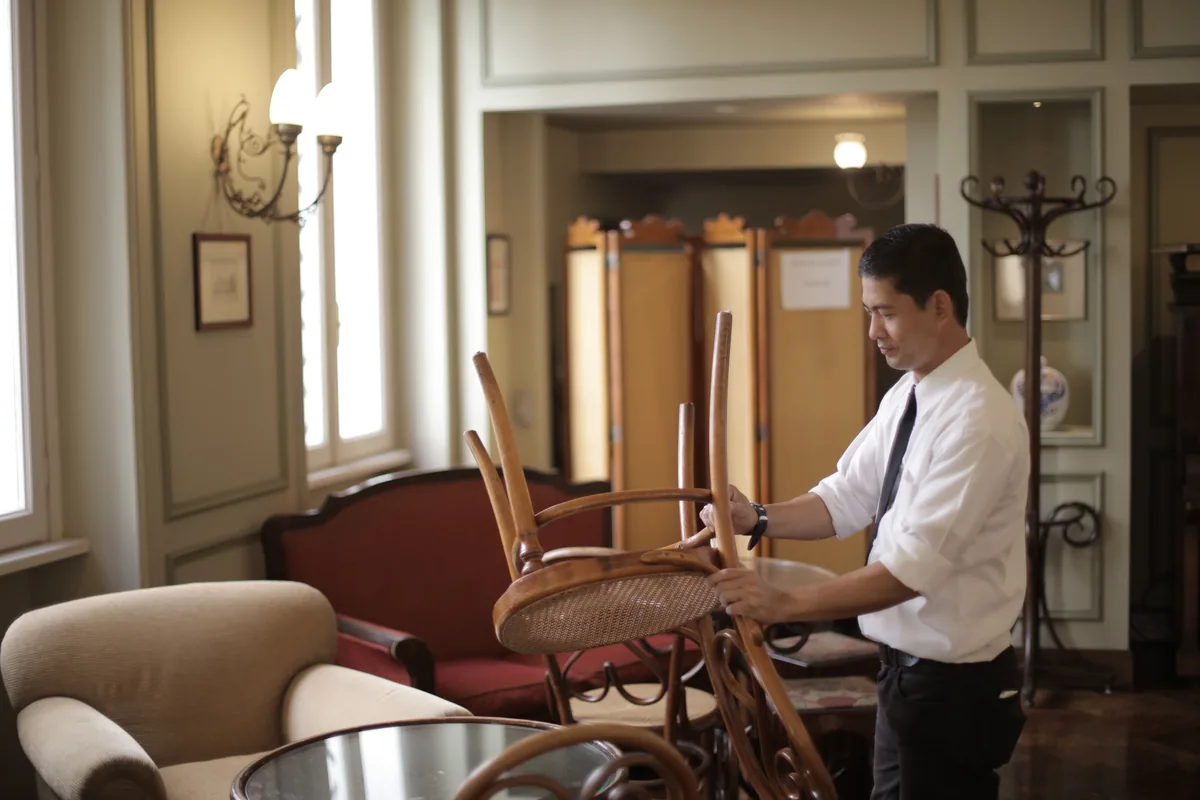
Line up qualified backup coverage
Begin with current employees who have the skills, interest and availability to help. Keep a short record of the roles they can cover, dates when they may be contacted, the contact method and any shift they have explicitly accepted. Agree on the contact arrangement; do not quietly expect someone to wait all day for a possible call.
Before confirming an extra shift, review the employee’s whole week, neighbouring shifts, rest, breaks and applicable pay treatment. Their willingness to help does not settle those checks. The backup coverage list guide gives a fuller contact and confirmation sequence.
Seasonal or returning staff can help with work they are prepared to do. Complete the necessary employment arrangements and workplace introduction, then schedule supervised practice where needed. Training takes capacity from an experienced employee too; a trainee and their trainer should not automatically count as two independent workers.
Include required training time and pay in the plan. For example, Ontario’s hours-of-work guide counts training required by the employer or law as work time. Verify the rule in other jurisdictions. A rush to fill Christmas shifts is no reason to assume a necessary trial or training period can be unpaid.
Choose a smaller service when a key role stays open
Set a manager’s decision time for each service, early enough to act on unfilled roles and contact affected customers. If a suitable person has not confirmed by then, change what you can deliver around the actual bottleneck.
- If one kitchen station is uncovered, assess whether to remove dishes that depend on it.
- If prep and packing cannot support a concentrated pickup window, limit new orders or offer different collection times.
- If the floor and kitchen cannot handle simultaneous arrivals, limit seating or pause new reservations.
- If opening or closing lacks reliable coverage, consider a later opening, an earlier finish or closing that service.
Run through the revised service from preparation to close. A shorter menu still needs cleaning, allergen controls and someone to finish the dishes. Check what remains with each employee after the change, along with the rules and terms affecting changed shifts, reduced hours and pay.
Assign someone to contact customers with existing bookings or orders promptly. Explain the available alternative and handle rescheduling, cancellation or refunds under the relevant arrangements. Update opening hours, reservation and ordering channels together so the restaurant stops accepting commitments the smaller service cannot meet.
Use the same plan when someone calls in sick
Confirm the affected shift and responsibilities, then seek a suitable replacement. Count a person as confirmed only after an explicit reply. If the decision time arrives without one, carry out the service adjustment already prepared.
When an employee reports an illness, follow the restaurant’s reporting process and local food-safety guidance. Toronto Public Health’s food-handler hygiene guidance tells food handlers with listed symptoms, including vomiting or diarrhea, to notify their manager and stay home. Do not use a staffing shortage to pressure someone to handle food while ill. Check return-to-work requirements with the local health authority.
For snow or transport disruption, confirm that the replacement can reach the workplace safely. Keep the public schedule focused on coverage and use the restaurant’s approved private process for health details.
Publish the confirmed week, then close the actual hours
Once people have confirmed their shifts, a free Maxuod Shift account can keep the weekly shifts, planned totals and recurring weekday and daypart availability hints. Save and publish the approved week. The manager still confirms date-specific holiday exceptions, competence for the role and acceptance of changes.
Make the current version available through the employee portal or your agreed channel, then check that affected employees have received and acknowledged it. Update that working version after a replacement, extension or early finish so employees and the next manager are following the same arrangements.
Review holiday pay separately. Ontario’s public-holiday guide includes Boxing Day. Nova Scotia’s chart lists paid holidays separately from retail closing days, and Boxing Day is absent from its paid-holiday list. Opening the restaurant, assigning a shift and determining the amount owed are separate checks. Include any additional holiday benefits agreed by the employer.
After service, reconcile worked hours, breaks, extra coverage and shifts crossing midnight. Give the payroll reviewer the unresolved holiday questions and export the checked records. The weekly payroll handoff checklist helps organize those exceptions. Maxuod Shift supports scheduling, hours and exports; the restaurant and payroll reviewer determine entitlements and complete payroll.
Before the first holiday service, each critical gap should have a confirmed person or an agreed service adjustment. Tell the service lead and the person contacting customers when to act before accepting the next batch of bookings.
Official sources checked
Reviewed October 28, 2026
- CRA — 2026 public-holiday calendarCalendar dates only; not provincial payroll entitlements
- Newfoundland and Labrador — 2027 calendarJanuary 1, 2027 date reference only
- Ontario — hours of work and trainingOntario only
- Ontario — public holidaysOntario only
- Nova Scotia — holiday and retail closing chartsNova Scotia only
- Toronto Public Health — food-handler hygieneToronto guidance; check local public-health requirements
Written as an operator checklist, not legal or payroll advice. Confirm local rules before changing pay, holiday, or tip policies.
Related guides
Restaurant Labour Forecasting for Small Businesses
Build a restaurant labour forecast from demand signals, role-hours, base and flex coverage, then compare planned and actual hours with a worked example.
How to Build a Restaurant Backup Coverage List
Build a restaurant backup coverage list by role, availability, response window, and weekly hours, then use it when an employee calls out.
Employee Availability Form Template for Restaurants
Use a restaurant employee availability form to separate recurring patterns, dated exceptions, cutoffs, versions, and manager approval.
Plan your next week’s shifts
With a free account, save schedules, check availability and overtime estimates, and work out tip distributions for your team.