
By Deeyoung MaLinkedInWebsiteJune 24, 20268 min readScheduling OperationsReviewed July 16, 2026
Restaurant Opening Checklist: Free PDF Template
Use this restaurant opening checklist to assign FOH, kitchen, staffing, equipment, and sign-off tasks. Download the free printable PDF template.
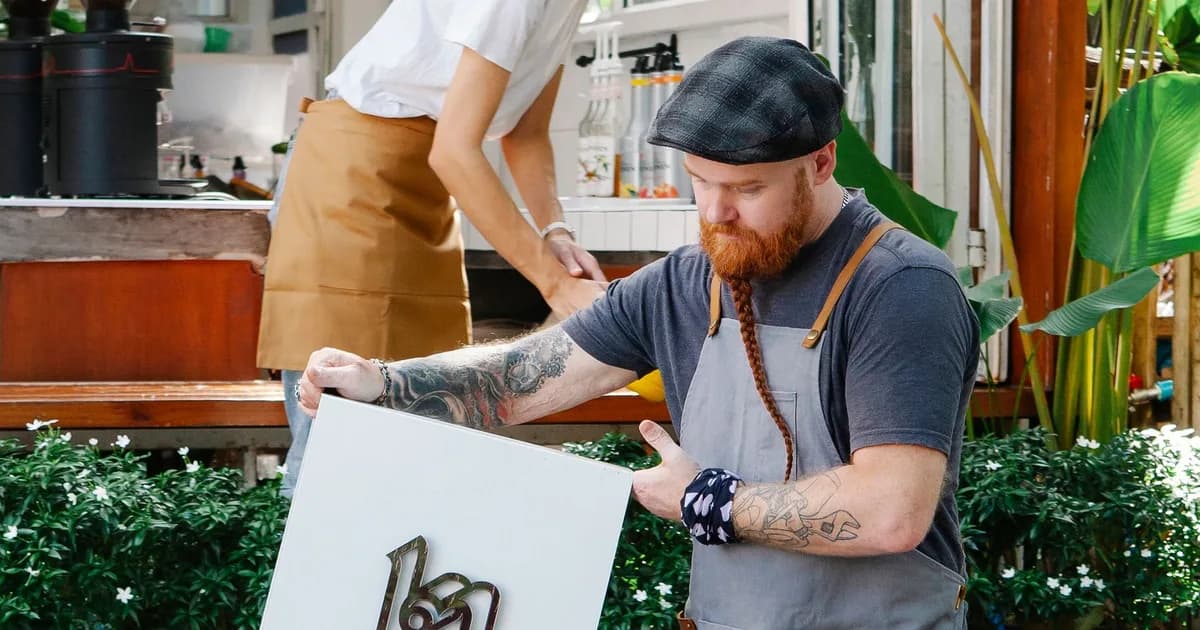
A restaurant opening checklist should confirm five things before the first guest arrives: the opening team is present, front of house is ready, kitchen and prep tasks are assigned, critical equipment works, and one manager has signed off on unresolved problems.
Use the printable template below for the daily check. It has separate owner, done, and exception fields, followed by a manager readiness walk and handoff log. That split matters. Staff can finish station duties while the manager checks whether the restaurant can actually open on time.
This is an operations template, not a food-safety, employment, or payroll policy. Replace its generic checks with the procedures and records required at your location. In Canada, restaurant inspection is generally handled by provincial, municipal, or regional public-health authorities.
Download the free restaurant opening checklist PDF
Page one covers people and access, FOH, kitchen, and prep. Page two gives the manager a short readiness walk, seven-line exception log, ready-to-open decision, and shift handoff fields.
Print one copy per opening day or keep a clean master beside the manager station. Add your location's required food-safety logs, cash procedures, security steps, and equipment checks before staff use it.
Use two layers instead of one long task list
A restaurant opening duties checklist works better when station owners and the manager do different jobs. The station layer asks whether assigned tasks are complete. The manager layer asks whether any incomplete task can delay service, create a safety problem, or leave the first rush without an owner.
Do not make every opener wait for the manager to tick every box. Put an owner beside each FOH or kitchen task. The manager then walks the guest path, tests the first order path, checks the schedule, and records only the exceptions that still matter.
This keeps the list usable on a busy morning. It also leaves a short record of who owned a problem and when it was checked again.
Opening duties by area
The exact list changes by service model, but the owner and exception fields should stay consistent.
| Area | Opening duties | Manager pass signal |
|---|---|---|
| People and access | Opener, keyholder, manager on duty, alarm, doors, lights, phone, and staff communication. | The first critical roles are covered and one backup option is named. |
| Front of house | Entrance, posted hours, dining room, patio, washrooms, menus, service stations, POS, cash process, reservations, pickup, and delivery channels. | A guest can enter, order, pay, sit, pick up, and get help without meeting an unfinished station. |
| Kitchen and prep | Required opening records, first prep list, first batch, equipment, refrigeration, dish area, sanitation supplies, deliveries, low stock, and 86 items. | The first order can be made safely under the restaurant's own procedures. |
| Equipment and systems | Printer, tablet, internet, refrigeration, coffee equipment, cooking equipment, dishwasher, ventilation, and maintenance notes. | Any failed system has a workaround, owner, and next check time. |
| Handoff | Late arrival, call-out, role move, prep shortage, maintenance issue, approved extension, and follow-up time. | The next manager can read what changed without reconstructing the morning from chat messages. |
For a cafe opening checklist, add espresso calibration, milk and alternative-milk stock, pastry display, mobile orders, and first-batch coffee. A full-service restaurant may need reservation pacing, host stand, bar setup, line checks, and private-event notes. Keep those local details in the same owner, done, and exception format.
Run the manager opening checklist in 15 minutes
The station work may start long before opening. The manager pass should still be short enough to repeat every day.
- Minutes 0-3: confirm the opener, keyholder, manager on duty, first-rush roles, call-outs, and backup coverage.
- Minutes 3-7: walk from the entrance through ordering, seating or pickup, washrooms, and guest-facing stations.
- Minutes 7-11: check the kitchen or prep lead's opening record, first priority, equipment exceptions, and 86 list.
- Minutes 11-13: test the first order path through POS, production, handoff, and payment.
- Minutes 13-15: assign each exception, set the next check time, and sign the ready-to-open decision.
If the same check fails several mornings in a row, move it upstream. Repeated low stock belongs in ordering. Repeated late arrivals belong in attendance and scheduling. A daily checklist should expose recurring problems, not become their permanent storage place.
Record exceptions instead of writing a second checklist
An opening exception needs four fields: what is wrong, who owns it, when it will be checked again, and what the next manager needs to know. Examples include a late prep cook, offline printer, incomplete patio, low stock, refrigeration concern, delayed delivery, or a trainee left without support.
Use plain facts. Write "receipt printer offline; Sam owns restart; check at 10:15; use kitchen printer until then" rather than "printer issue." The second version creates another conversation during the rush.
Schedule changes need the same treatment. Record late arrivals, approved extensions, role changes, and backup calls in the schedule or payroll handoff record. Do not rely on the opening sheet as the only time record.
What Maxuod Shift adds after the opening walk
The PDF handles the physical opening. Maxuod Shift carries the staffing changes that follow: the published schedule, role coverage, weekly hour totals, notes, actual-hours review, and export context stay beside the same week.
Maxuod Shift's operating contribution is the handoff between the checklist and the schedule. When the opener is late or a backup comes in early, the manager records the exception, updates the schedule record, and leaves the next shift a named note. That prevents an opening fix from turning into an unexplained payroll correction days later.
Build the roster in the restaurant schedule maker, use the backup coverage list when an opener is missing, and pass unresolved issues into the restaurant shift handoff checklist. Review the whole week with the weekly schedule checklist before publishing or exporting hours.
Sources checked and article reviewed: 2026-07-16. This template is for restaurant operations. Follow the food-safety plan, public-health requirements, employment standards, and payroll procedures that apply to your location.
FAQ
What should a restaurant opening checklist include?
Include people and access, FOH setup, kitchen and prep duties, equipment and systems, first-rush coverage, an exception log, and manager sign-off before service starts.
Is the restaurant opening checklist PDF free?
Yes. The two-page PDF is free to download and print. It includes task owners, checkboxes, exception fields, a manager readiness walk, and shift handoff space.
What is the difference between staff opening duties and manager sign-off?
Staff complete the assigned FOH or kitchen tasks. The manager checks whether the guest and order paths work, confirms first-rush coverage, assigns unresolved problems, and decides whether the restaurant is ready to open.
How long should the manager opening check take?
For a small restaurant, the final manager pass should take about 15 minutes. Station owners can complete their duties earlier so the manager only verifies readiness and records exceptions.
Does this checklist replace a food-safety or payroll record?
No. Add the food-safety and public-health procedures required at your location, and record schedule or actual-hour changes in the schedule and payroll handoff process rather than relying on the opening sheet alone.
Written as an operator checklist, not legal or payroll advice. Confirm local rules before changing pay, holiday, or tip policies.
Related guides
Restaurant Shift Handoff Checklist: Pass the Exceptions
A restaurant shift handoff checklist for exceptions, owners, deadlines, actual-hour changes, and close-to-open decisions without a chat dump.
How to Build a Restaurant Backup Coverage List
Build a restaurant backup coverage list by role, availability, response window, and weekly hours, then use it when an employee calls out.
Weekly Restaurant Schedule Review: A 20-Minute Walkthrough
Review a restaurant schedule in 20 minutes with a worked walkthrough for coverage, availability, fairness, hours, backups, and payroll handoff.
Build the schedule before the week gets loud
Maxuod Shift keeps employee availability, overtime risk, payroll estimates, and tip distribution in the same place for small restaurant teams.